
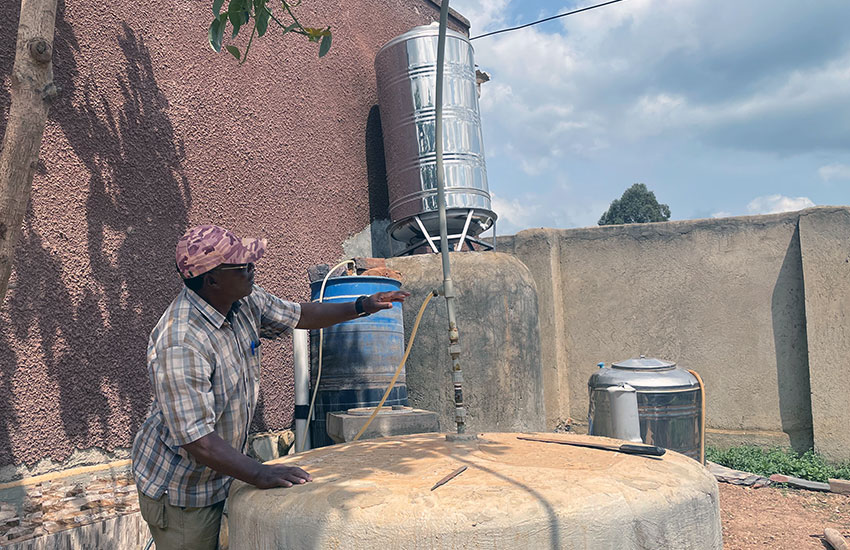
Enhancing Sustainability: Biogas & Biofertilizer at Frevasema
Introduction
In a world grappling with climate change, rising energy costs, and waste management challenges, renewable energy solutions are no longer optional, they are essential. At Frevasema, biogas is more than just an energy source; it is a pathway to cleaner communities, resilient livelihoods, and sustainable development. With biogas generated, bio slurry is accumulated and becomes another useful input in backyard farming as a biofertilizer. The by-product, known as digestate, is a nutrient-rich organic fertilizer that improves soil health and reduces reliance on chemical inputs.
What is Biogas?
Biogas is a renewable fuel produced through the anaerobic digestion of organic matter such as agricultural residues, animal manure, and food waste. This process generates a methane-rich gas that can be used for:
-
- Cooking and heating
- Electricity generation
- Powering small-scale machinery
Why Biogas Matters for Frevasema
Frevasema operates in a context where communities face multiple challenges:
- Heavy reliance on firewood and charcoal, leading to deforestation
- Rising fuel costs that strain household and institutional budgets
- Agricultural waste that often goes unused or becomes an environmental hazard
By investing in biogas, Frevasema is addressing these challenges head-on:
- Environmental Impact: Reducing greenhouse gas emissions and slowing deforestation.
- Energy Security: Providing affordable, reliable, and locally produced energy.
- Agricultural Benefits: Returning nutrients to the soil through digestate, boosting crop yields.
- Community Empowerment: Creating jobs in construction, maintenance, and training.
Frevasema’s Biogas Journey
Frevasema has positioned itself as a pioneer in renewable energy adoption by:
- Piloting Biogas Units – Installing digesters at farms, schools, and community centers.
- Capacity Building – Training local technicians and farmers in system operation and maintenance.
- Scaling Access – Partnering with development agencies and local governments to expand coverage.
- Innovation – Exploring hybrid systems that integrate solar and biogas for greater resilience and further exploring into biofertilizer and bio-pesticide originating from biogas biodigester.
Success Stories
- Households: Families using biogas report reduced time spent collecting firewood, improved indoor air quality, and lower cooking costs.
- Schools: Institutions with biogas systems save on fuel expenses and redirect funds to education.
- Farmers: Digestate application has improved soil fertility, leading to healthier crops and better harvests.
Looking Ahead
Frevasema envisions a future where biogas is mainstreamed into rural and peri-urban energy systems. With continued investment, policy support, and community engagement, biogas can transform livelihoods while safeguarding the environment.
Conclusion
Biogas at Frevasema is more than a technology. It is a movement toward sustainable energy, resilient agriculture, and empowered communities. By turning waste into wealth, Frevasema is proving that renewable energy is not just about power—it’s about people, progress, and the planet.

